

Understanding Macronutrients: The Building Blocks of a Healthy Diet
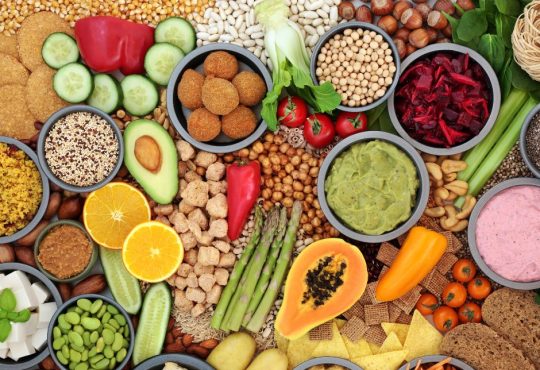
Macronutrients are the essential nutrients that our bodies need in larger quantities to function properly and maintain health. They provide the energy required for our daily activities and are crucial for growth, metabolism, and overall well-being. The three primary macronutrients are carbohydrates, proteins, and fats. Each plays a unique and vital role in our bodies, and understanding their functions can help you make informed dietary choices to support your health goals. This article will explore the importance of each macronutrient, their roles, and how to balance them in your diet.
Carbohydrates: The Body’s Primary Energy Source
Role and Function
Carbohydrates are the body’s main source of energy. When you consume carbohydrates, they are broken down into glucose, which is used by your cells for energy. This is especially important for the brain and muscles during physical activity. Carbohydrates are also essential for proper functioning of the central nervous system, heart, and kidneys.
Types of Carbohydrates
- Simple Carbohydrates: These are quickly digested and provide a rapid source of energy. They are found in foods such as fruits, milk, and sweeteners like sugar and honey. While they can provide quick energy, they can also lead to spikes in blood sugar levels.
- Complex Carbohydrates: These take longer to digest and provide a more sustained source of energy. They are found in whole grains, vegetables, legumes, and starchy foods like potatoes. Complex carbohydrates are also a good source of fiber, which aids in digestion and helps maintain steady blood sugar levels.
Balancing Carbohydrates
To maintain optimal health, it’s important to focus on consuming complex carbohydrates and limit the intake of simple sugars. Whole grains, fruits, vegetables, and legumes should be the primary sources of carbohydrates in your diet.
Proteins: The Building Blocks of the Body
Role and Function
Proteins are essential for the growth, repair, and maintenance of tissues in the body. They are made up of amino acids, which are the building blocks of cells, muscles, enzymes, hormones, and antibodies. Protein is crucial for muscle repair and growth, making it especially important for athletes and individuals involved in physical training.
Sources of Protein
- Animal-Based Proteins: These include meat, poultry, fish, eggs, and dairy products. They are considered complete proteins because they contain all nine essential amino acids that the body cannot produce on its own.
- Plant-Based Proteins: These include beans, lentils, tofu, nuts, seeds, and whole grains. While most plant proteins are considered incomplete proteins, combining different plant sources can provide all essential amino acids. For example, rice and beans together form a complete protein.
Balancing Proteins
Incorporate a variety of protein sources into your diet to ensure you get all the essential amino acids. Aim for lean protein sources and consider incorporating more plant-based proteins for their additional health benefits, such as fiber and phytonutrients.
Fats: Essential for Energy and Vital Functions
Role and Function
Fats are a concentrated source of energy and are necessary for the absorption of fat-soluble vitamins (A, D, E, and K). They play a vital role in protecting organs, insulating the body, and supporting cell growth. Fats also help produce important hormones and provide a sense of satiety after meals.
Types of Fats
- Saturated Fats: Found in animal products like meat, butter, and cheese, as well as tropical oils like coconut oil. While some saturated fat is necessary, excessive intake can increase the risk of heart disease.
- Unsaturated Fats: These include monounsaturated and polyunsaturated fats. They are found in foods like avocados, nuts, seeds, olive oil, and fatty fish. These fats are beneficial for heart health and can help reduce inflammation.
- Trans Fats: These are artificially created fats found in many processed foods. They are harmful to health and should be avoided as they increase the risk of heart disease.
Balancing Fats
Focus on incorporating more unsaturated fats into your diet while limiting saturated and avoiding trans fats. Foods like avocados, olive oil, nuts, seeds, and fatty fish are excellent sources of healthy fats.
Achieving a Balanced Diet
To achieve a balanced diet, it’s essential to include the right proportions of carbohydrates, proteins, and fats. The exact ratios can vary depending on individual health goals, activity levels, and dietary preferences. However, a general guideline is to consume:
- Carbohydrates: 45-65% of daily caloric intake
- Proteins: 10-35% of daily caloric intake
- Fats: 20-35% of daily caloric intake
Conclusion
Understanding the roles and functions of macronutrients is crucial for making informed dietary choices that support overall health and well-being. By focusing on a balanced intake of carbohydrates, proteins, and fats from diverse and healthy sources, you can provide your body with the essential nutrients it needs to thrive. Remember, moderation and variety are key to a healthy and sustainable diet.