

In recent years, the plant-based diet has gained significant popularity, thanks to its numerous health benefits and positive environmental impact. Whether you’re considering a full transition or just looking to incorporate more plant-based meals into your diet, understanding the benefits can help motivate and guide your journey. This article will explore the advantages of a plant-based diet and offer practical tips for getting started.
Health Benefits of a Plant-Based Diet
1. Improved Heart Health
A plant-based diet is rich in fruits, vegetables, whole grains, nuts, and seeds, which are known to support cardiovascular health. These foods are high in fiber, antioxidants, and healthy fats, all of which contribute to lowering blood pressure, reducing cholesterol levels, and improving overall heart function. Studies have shown that individuals who follow a plant-based diet have a lower risk of developing heart disease compared to those who consume a diet high in animal products.
2. Weight Management
One of the most appealing benefits of a plant-based diet is its potential for weight management. Plant-based foods are generally lower in calories and fat while being high in fiber, which helps you feel full and satisfied without overeating. This can lead to natural and sustainable weight loss. Additionally, the emphasis on whole, unprocessed foods means you’re consuming fewer empty calories and more nutrient-dense meals.
3. Reduced Risk of Chronic Diseases
A diet rich in plant-based foods has been linked to a reduced risk of several chronic diseases, including type 2 diabetes, certain cancers, and hypertension. The abundance of vitamins, minerals, and antioxidants found in plant foods helps protect against cellular damage and inflammation, which are underlying factors in many chronic conditions.
4. Enhanced Digestive Health
Fiber is a key component of a plant-based diet and is essential for maintaining healthy digestion. High-fiber foods such as fruits, vegetables, legumes, and whole grains promote regular bowel movements and support the growth of beneficial gut bacteria. This can help prevent digestive issues like constipation, bloating, and irritable bowel syndrome (IBS).
5. Improved Mental Well-being
Emerging research suggests that a plant-based diet may have a positive impact on mental health. The nutrients found in plant foods, such as omega-3 fatty acids, folate, and antioxidants, are crucial for brain health and can help reduce the risk of depression and anxiety. Additionally, the anti-inflammatory properties of plant-based foods can protect against cognitive decline and support overall brain function.
Environmental Benefits
1. Reduced Carbon Footprint
The production of plant-based foods generally requires fewer resources and generates less greenhouse gas emissions compared to animal agriculture. By choosing a plant-based diet, you can significantly reduce your carbon footprint and contribute to the fight against climate change.
2. Conservation of Water Resources
Animal agriculture is a major consumer of freshwater resources, with significant amounts of water required for livestock drinking, feed crops, and meat processing. In contrast, plant-based foods typically have a much lower water footprint. By opting for a plant-based diet, you can help conserve precious water resources.
3. Protection of Biodiversity
The demand for animal products drives deforestation, habitat destruction, and overfishing, all of which threaten biodiversity. By reducing or eliminating animal products from your diet, you can help protect ecosystems and preserve wildlife.
Getting Started with a Plant-Based Diet
1. Start Slowly
Transitioning to a plant-based diet doesn’t have to happen overnight. Begin by incorporating more plant-based meals into your weekly routine. Try participating in “Meatless Mondays” or dedicating one meal a day to plant-based options.
2. Experiment with New Recipes
Explore new recipes and ingredients to keep your meals exciting and flavorful. There are countless plant-based cookbooks and online resources available to inspire you. Experimenting with different cuisines can also help you discover new favorite dishes.
3. Focus on Whole Foods
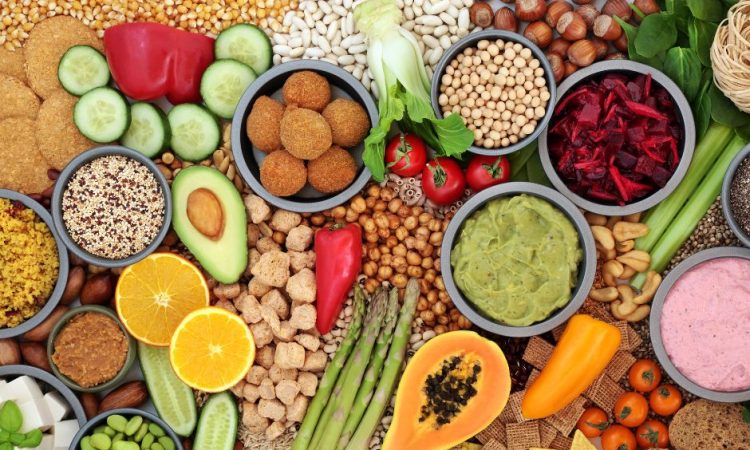
Emphasize whole, minimally processed foods in your diet. Fruits, vegetables, legumes, whole grains, nuts, and seeds should make up the majority of your meals. Avoid relying too heavily on processed plant-based alternatives, as they can be high in additives and unhealthy fats.
4. Plan Your Meals
Planning your meals in advance can help ensure you have a balanced and varied diet. Consider batch cooking and meal prepping to save time and make healthy eating more convenient. Always have a variety of plant-based staples on hand, such as beans, lentils, quinoa, and fresh produce.
5. Stay Informed
Educate yourself about nutrition to ensure you’re meeting all your dietary needs. Pay attention to nutrients that can be harder to obtain from a plant-based diet, such as vitamin B12, iron, calcium, and omega-3 fatty acids. Consider consulting with a registered dietitian to create a balanced meal plan.
Conclusion
Adopting a plant-based diet offers a myriad of benefits for both your health and the environment. From improving heart health and managing weight to reducing the risk of chronic diseases and protecting our planet, the advantages are clear. By starting slowly, experimenting with new recipes, focusing on whole foods, planning your meals, and staying informed, you can successfully transition to a plant-based diet and enjoy a healthier, more sustainable lifestyle.
Embrace the power of plants and start your journey to better health today!